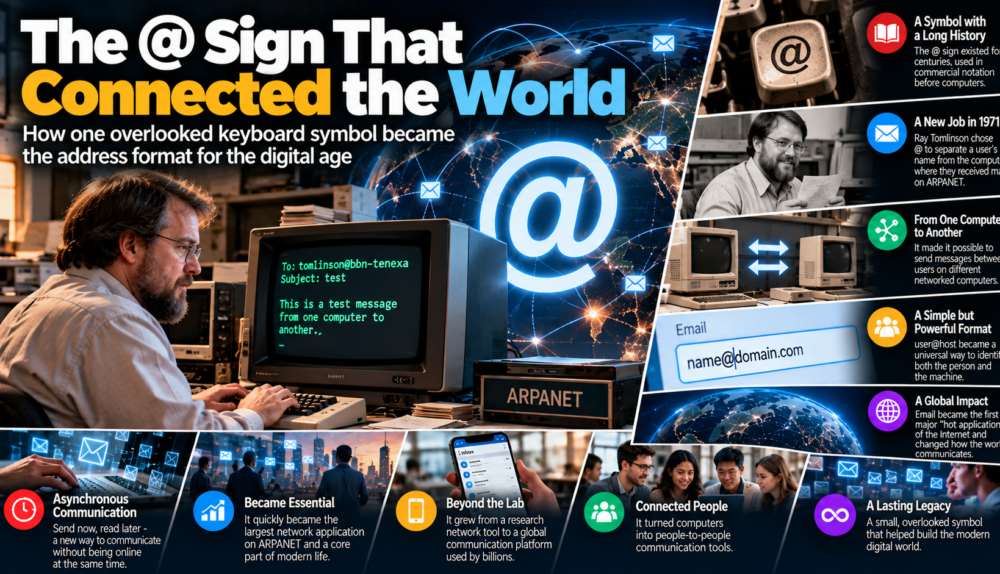







The @ Sign That Connected the World
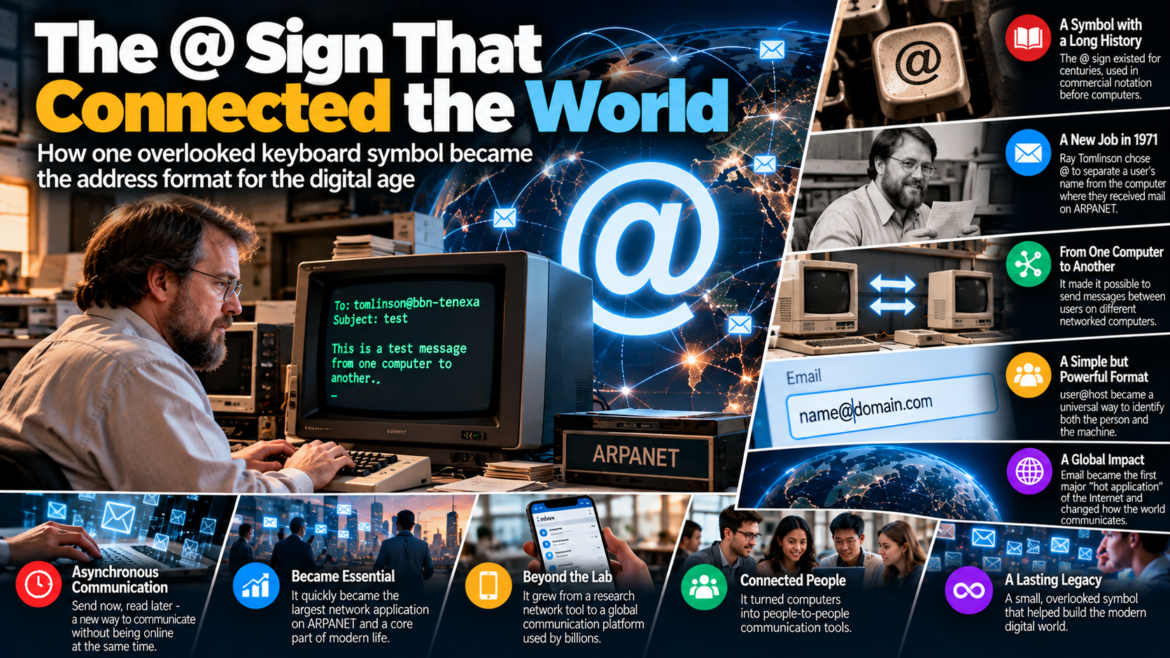
How one overlooked keyboard symbol became the address format for the digital age A tiny symbol with a very large job Look at almost any
 The @ Sign That Connected the World
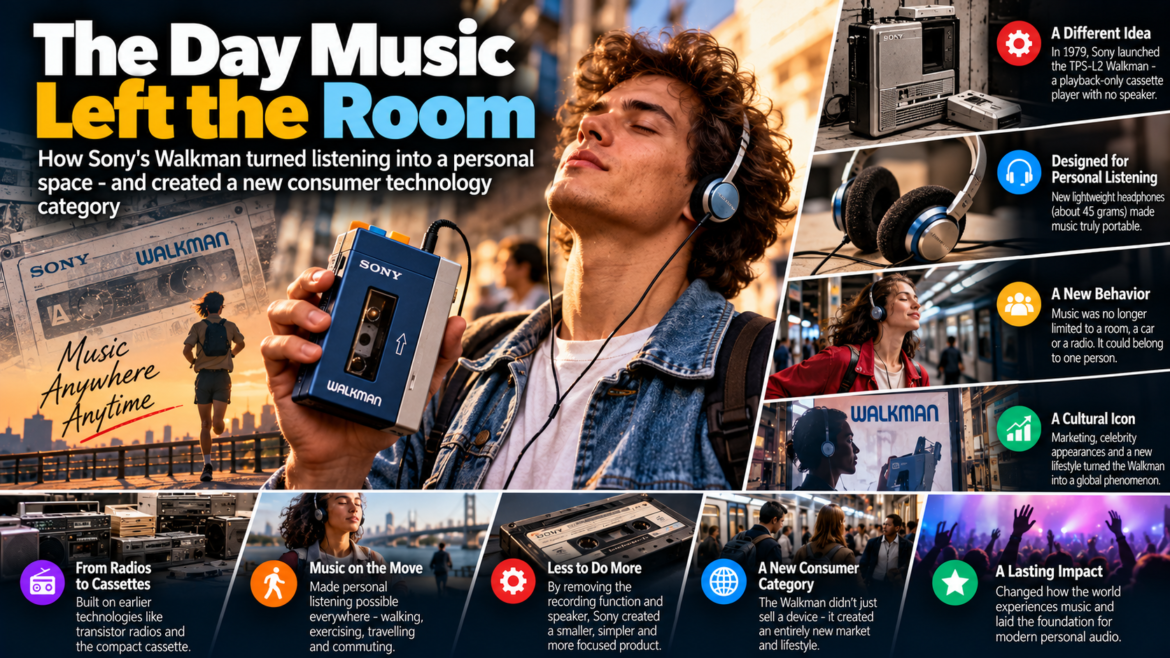
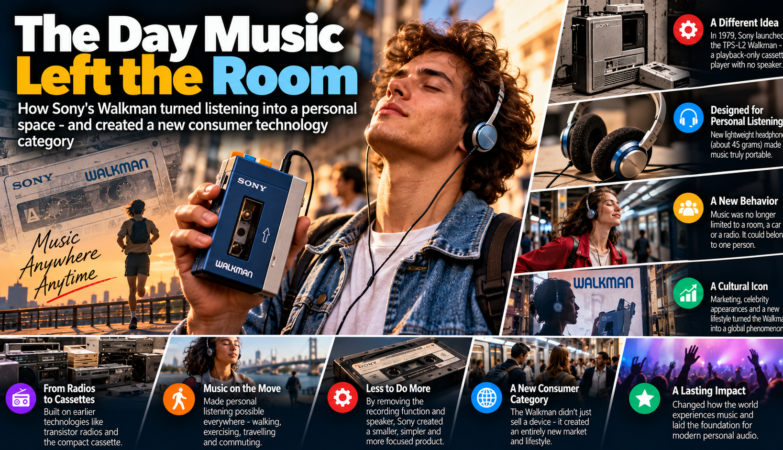
 The Day Music Left the Room
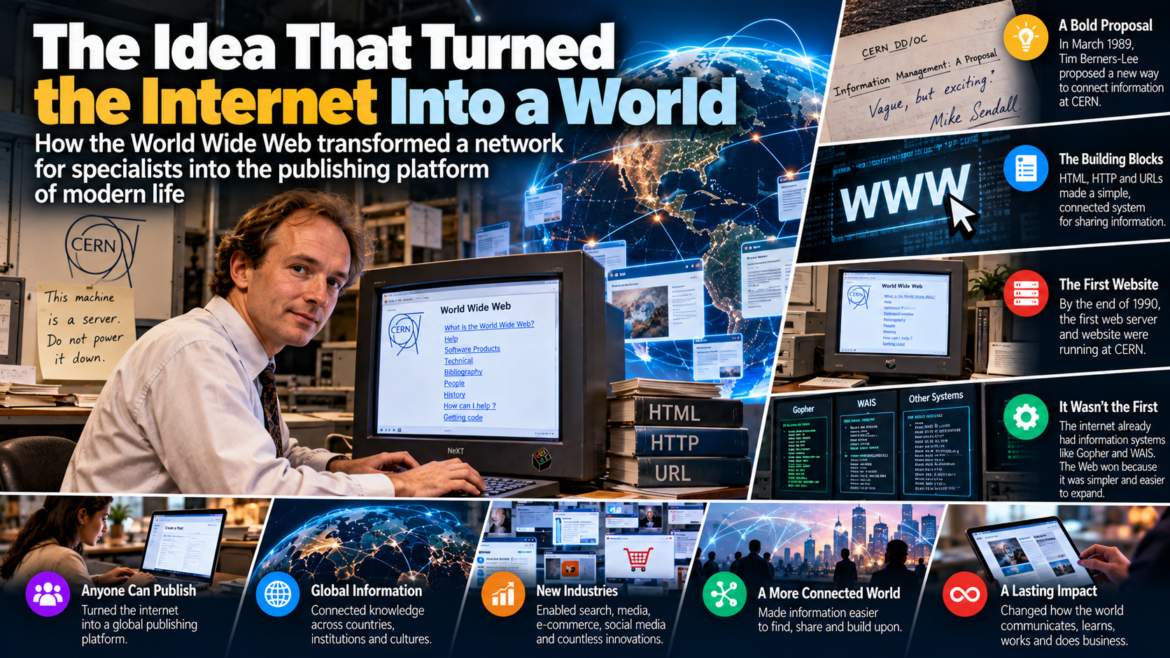
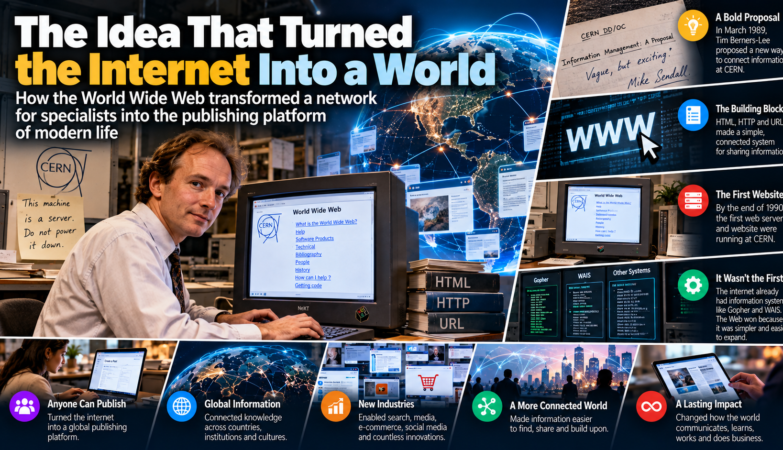
 The Idea That Turned the Internet Into a World
 The Box That Shrunk the World
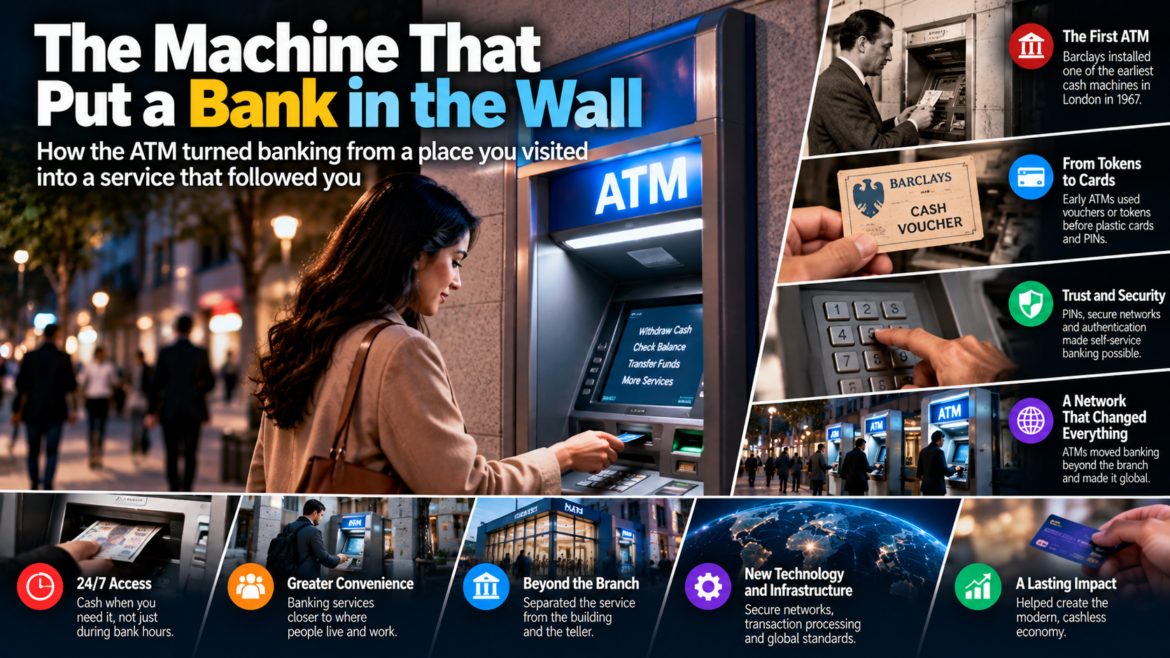
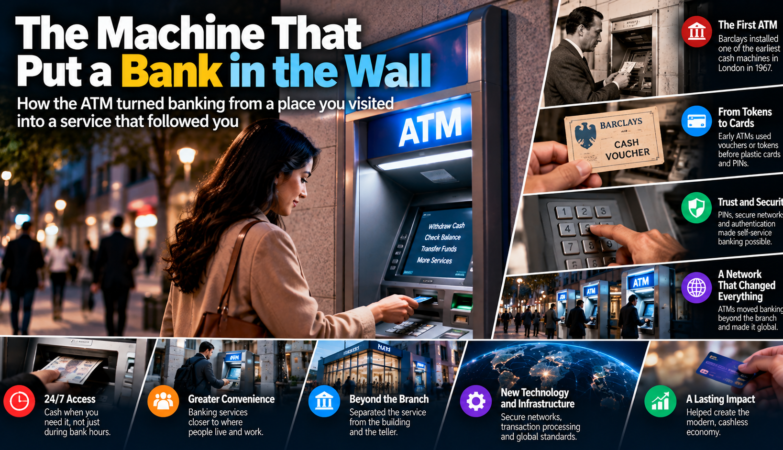
 The Machine That Put a Bank in the Wall
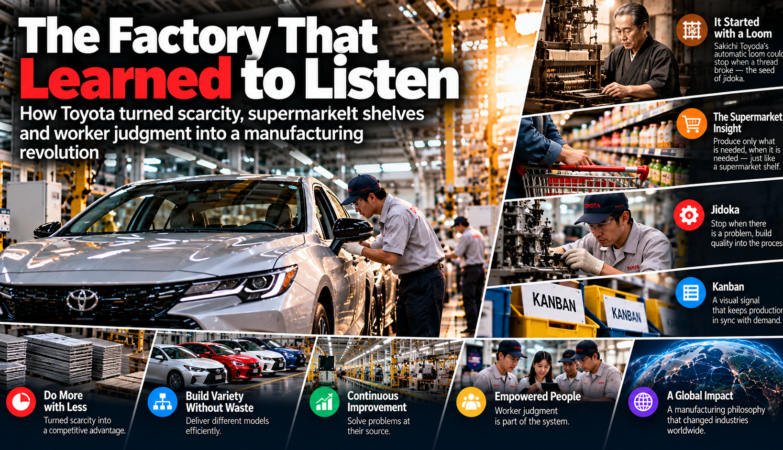
 The Factory That Learned to Listen
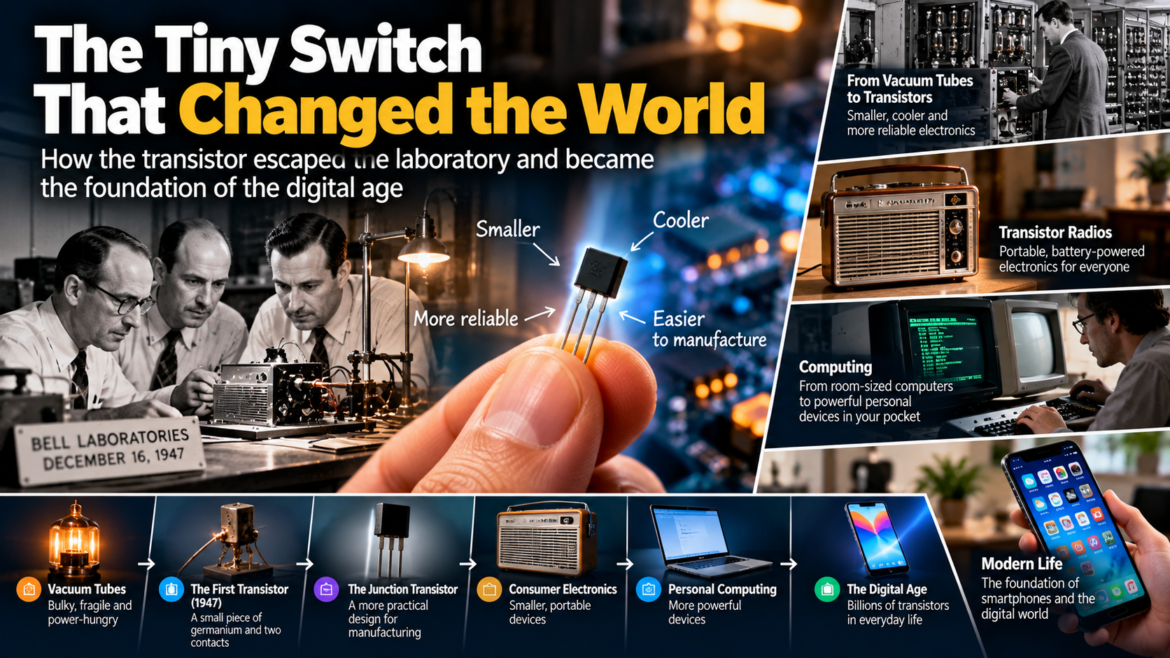
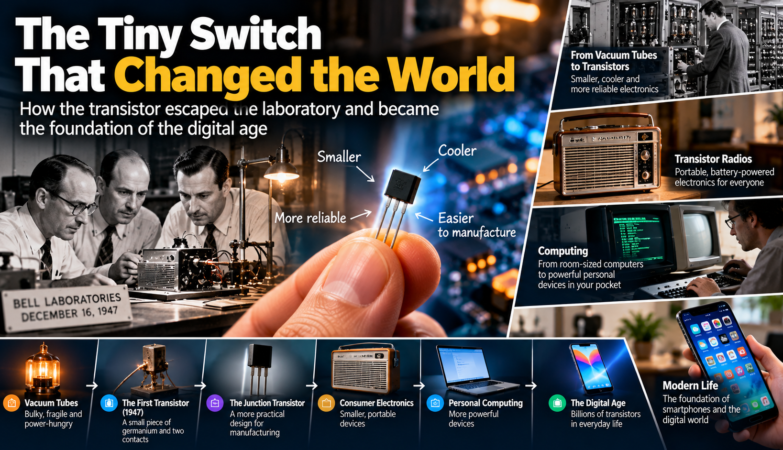
 The Tiny Switch That Changed the World
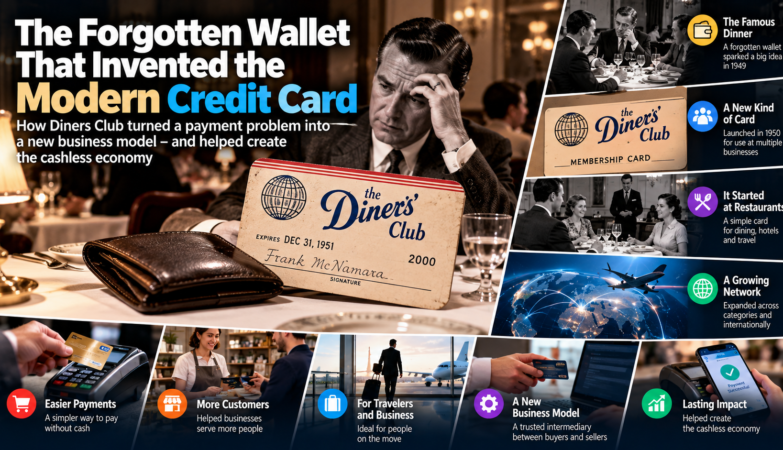
 The Forgotten Wallet That Invented the Modern Credit Card
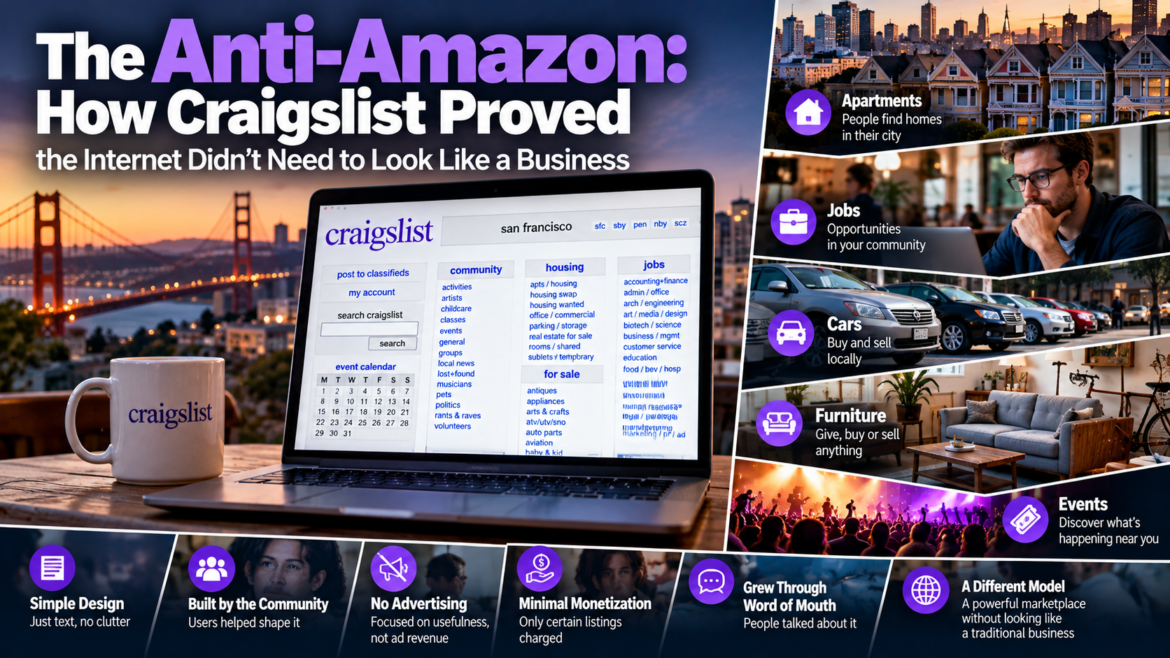
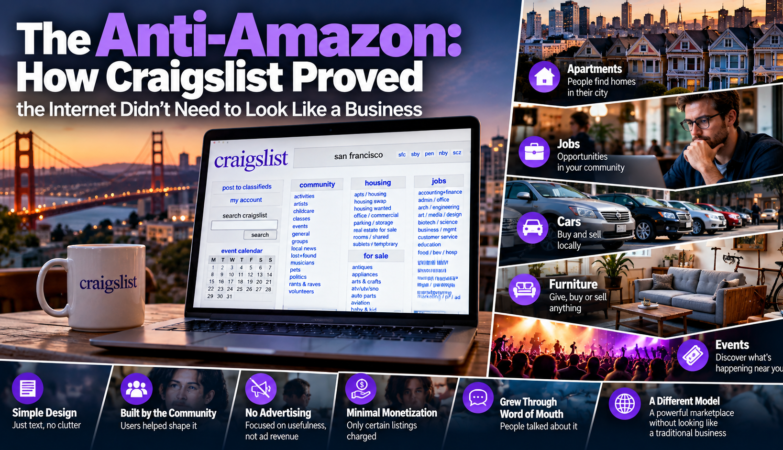
 The Anti-Amazon: How Craigslist Proved the Internet Didn’t Need to Look Like a Business
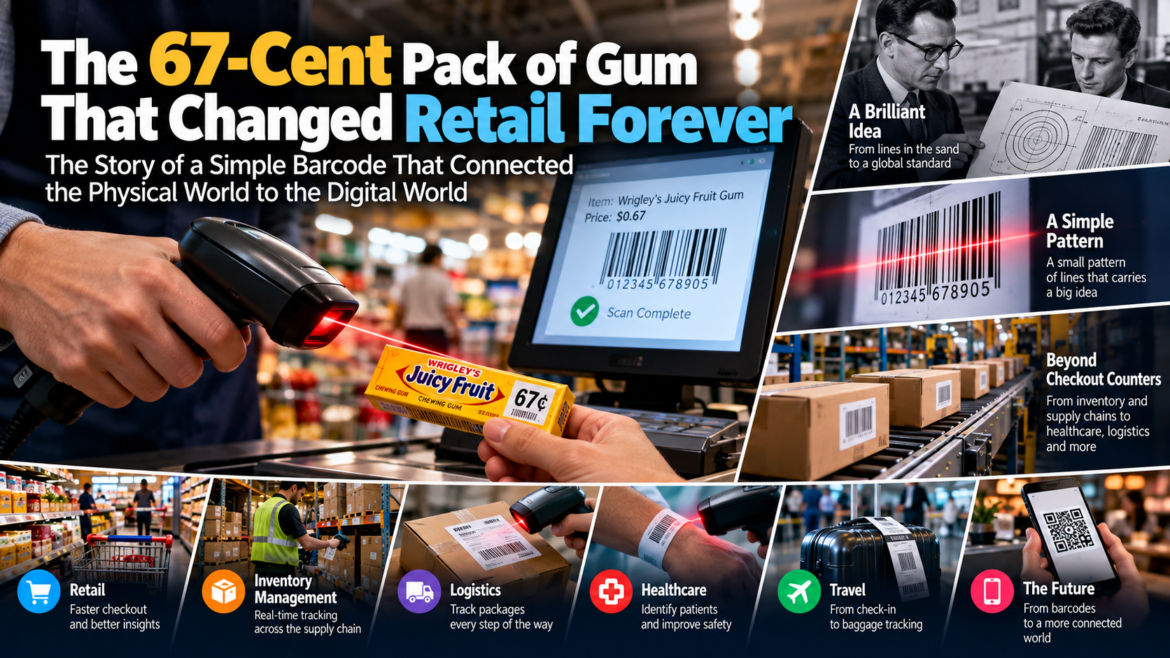
 The 67-Cent Pack of Gum That Changed Retail Forever
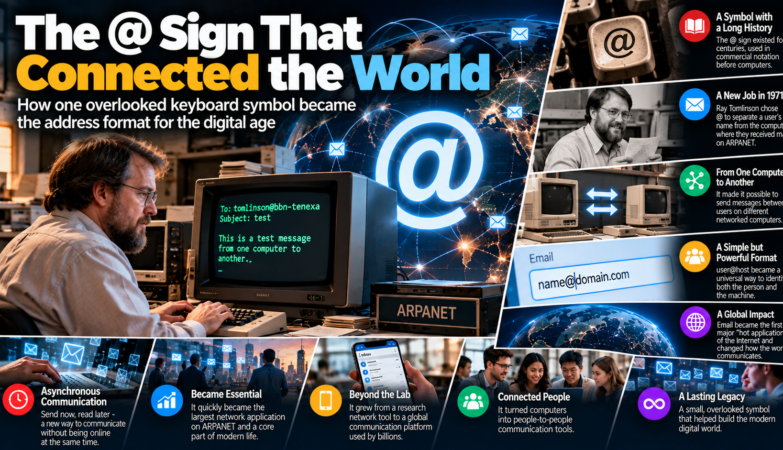

How one overlooked keyboard symbol became the address format for the digital age A tiny symbol with a very large job Look at almost any
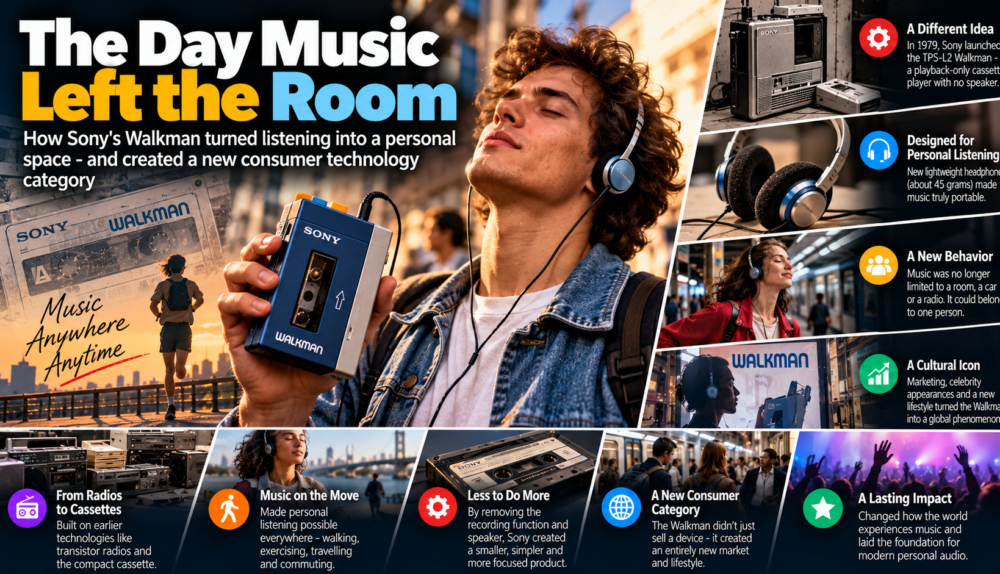
How Sony’s Walkman turned listening into a personal space – and created a new consumer technology category A music player with something missing In 1979,
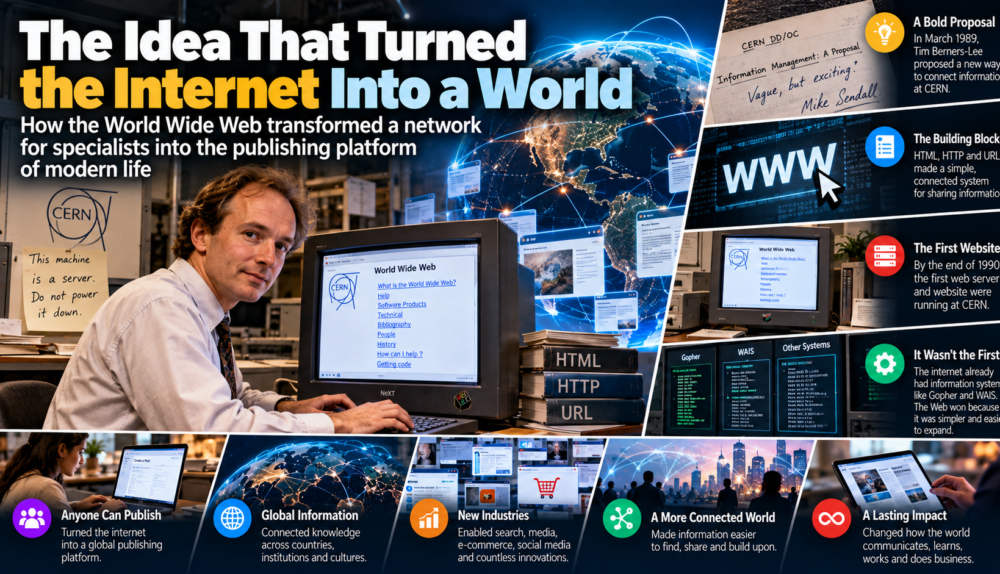
How the World Wide Web transformed a network for specialists into the publishing platform of modern life The note on the door There was a
How the shipping container turned global trade into a standardized system Before the box, ships were slow because the world was slow For most of
How the ATM turned banking from a place you visited into a service that followed you The strange machine outside the bank Imagine walking up
How Toyota turned scarcity, supermarket shelves and worker judgment into a manufacturing revolution A factory built for a world that did not exist After the
How the transistor escaped the laboratory and became the foundation of the digital age The machine that was too big to keep growing In the
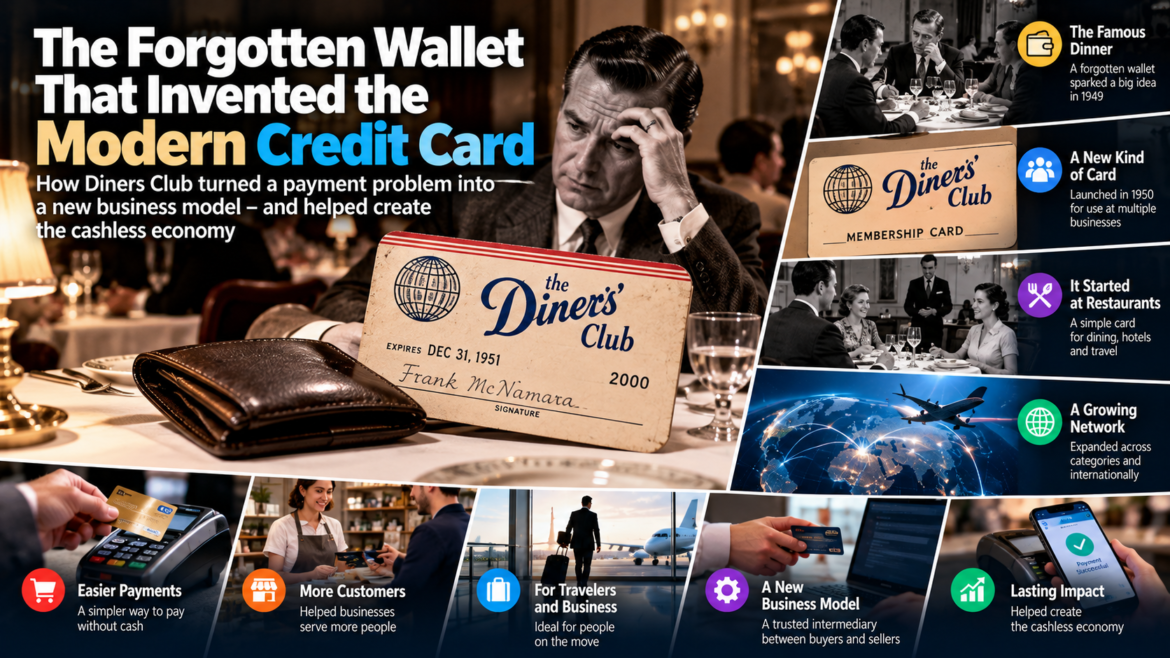
How Diners Club turned a payment problem into a new business model – and helped create the cashless economy The night a wallet was missing
In an internet increasingly obsessed with better design, faster growth and more sophisticated monetization, one of the world’s most influential marketplaces did almost none of
On June 26, 1974, a cashier in an Ohio supermarket scanned a pack of Wrigley’s Juicy Fruit gum. It cost 67 cents. The purchase took